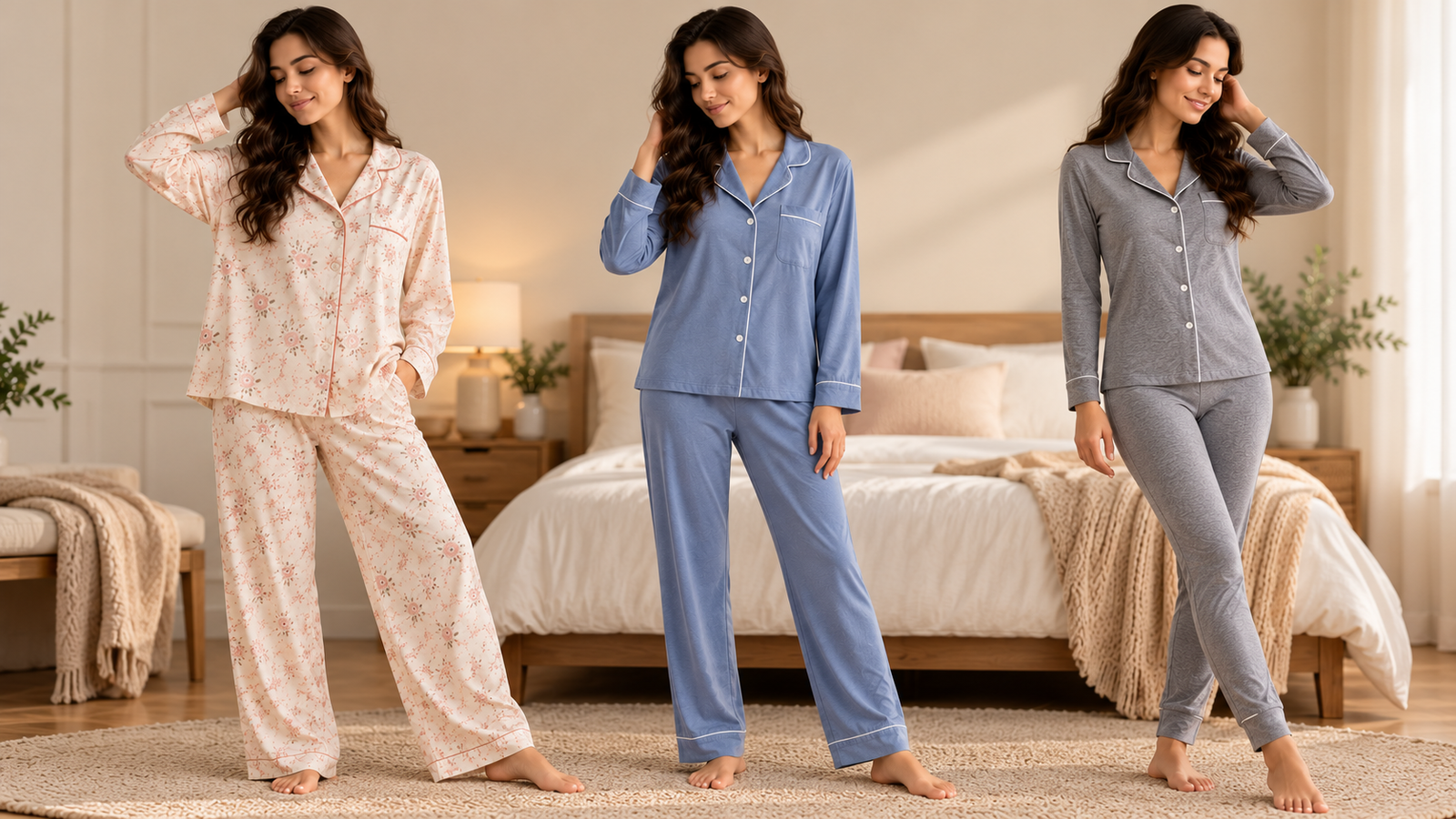
Pajamas should feel comfortable when you lie down, turn over, stretch, or get out of bed. But the right fit isn’t always obvious. A pair that looks good while standing may pull across the hips when you sit, while an oversized pajama shirt can feel bulky under a blanket.
This pajama fit guide explains the differences between relaxed, classic, and slim fits so you can choose sleepwear that suits your body, sleeping habits, and personal preferences.
You’ll learn how each fit should feel, which measurements to check, and how to spot common sizing problems before buying. We’ll also look at how pajama fit compares with other night wear, including nightgowns, nightshirts, and lingerie.
What Does Pajama Fit Mean?
Pajama fit describes how a garment sits against your body, including how much room it provides around your chest, waist, hips, thighs, and shoulders. It also affects how easily you can move while sleeping.
A fit can look loose without being too large, and a closer-fitting design can still feel comfortable if the fabric stretches and the garment allows enough movement. The goal is to find a balance between ease, coverage, and freedom of movement.
Most pajama styles fall into three broad fit categories:
- Relaxed fit: Extra room through the body and legs for an easy, loose feel.
- Classic fit: A balanced shape that provides room to move without looking oversized.
- Slim fit: A closer silhouette that follows the body’s shape without necessarily feeling tight.
These terms aren’t standardized across every brand. One manufacturer’s slim-fit pajamas may fit more generously than another manufacturer’s classic fit. Always check the size chart and garment measurements before choosing a size.
Products to Buy: Pajamas for Different Fits
Use this section to add product recommendations that match the relaxed, classic, and slim fits discussed in this guide. The entries below are placeholders for you to replace with your chosen products, current prices, and verified product links.
1. LABULA Unisex Adult Animal Onesie Pajamas
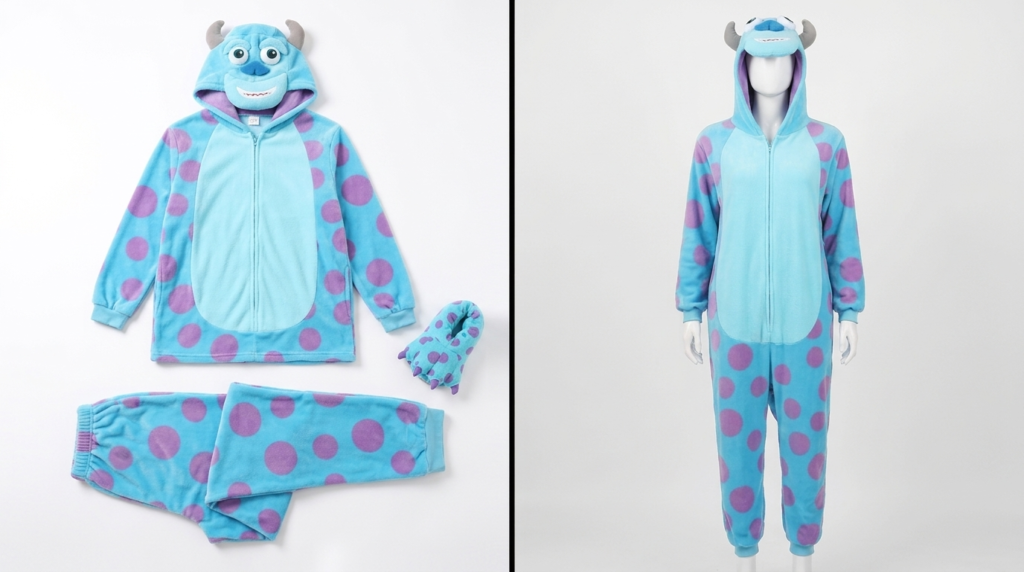
Price: $29.99
Fabric: Check product listing
Fit: Relaxed, one-piece design
Shop LABULA Animal Onesie Pajamas at Amazon
Use this option for readers who want a roomy, full-body pajama outfit with an animal-inspired design. Its unisex styling suits adults looking for comfortable sleepwear, lounging clothes, or Halloween cosplay. Check the available sizes, fabric composition, and size chart before purchasing.
2. DKRUW Adult Animal Onesie Pajamas
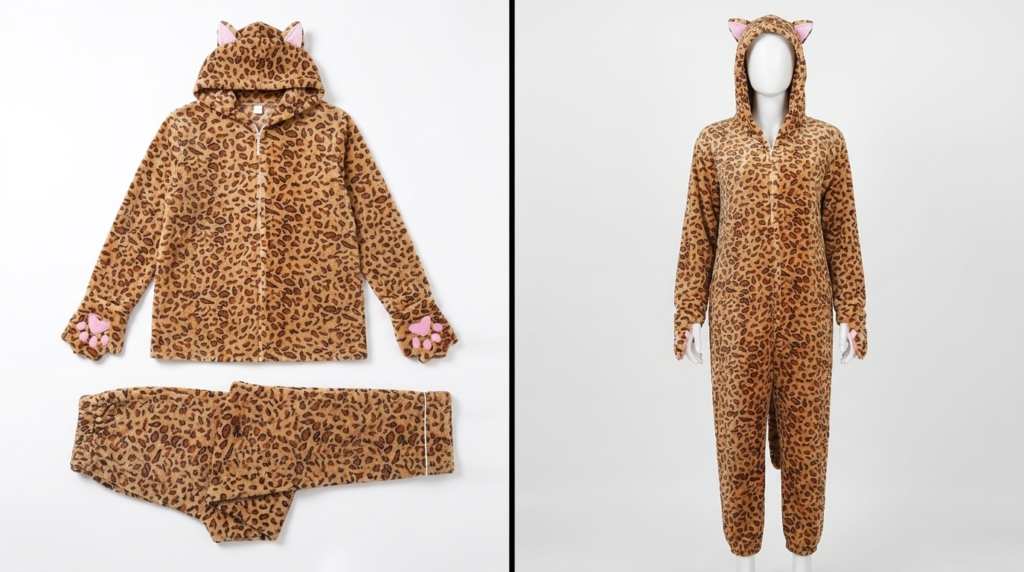
Price: $42.99
Fabric: Check product listing
Fit: Relaxed, one-piece design
Shop DKRUW Animal Onesie Pajamas at Amazon
Use this option for readers who prefer a playful animal onesie for lounging, sleeping, or costume events. The unisex design accommodates both men and women. Review the product photos, available sizes, and fabric details to determine how much room the garment provides through the body, hips, and legs.
3. LILLUSORY Women’s Long-Sleeve Pajama Set
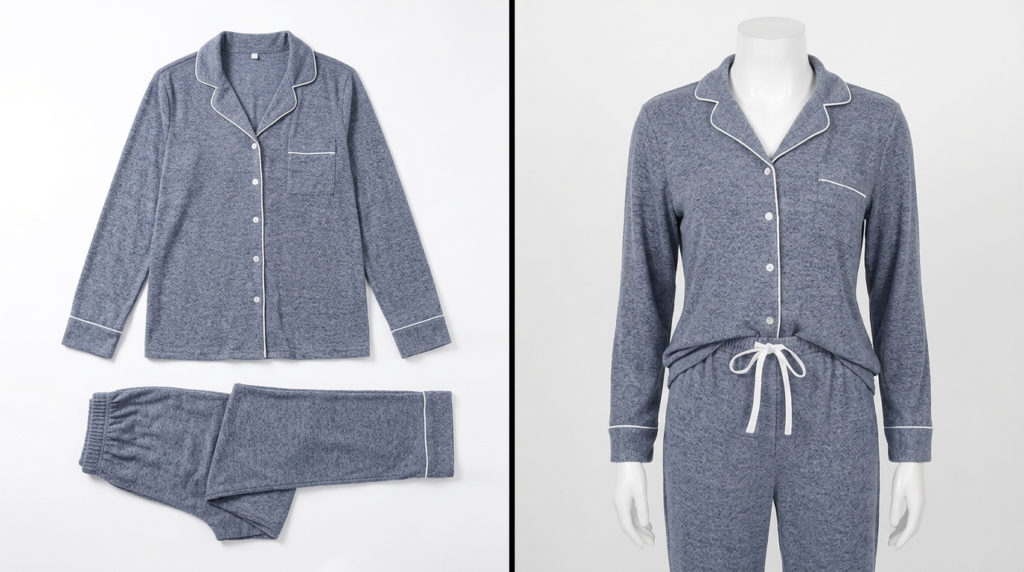
Price: $27.99 (limited-time deal; list price $39.99)
Fabric: Soft cotton-like feel; confirm exact composition in the listing
Fit: Comfortable, relaxed style
Shop LILLUSORY Women’s Pajama Set at Amazon
Use this option for readers seeking a two-piece pajama set with a button-down long-sleeve top and drawstring trousers. The design includes pockets and suits casual lounging during fall and winter. Check the size chart for chest, waist, hip, and trouser-length measurements to ensure a comfortable fit.
Relaxed vs. Classic vs. Slim Pajama Fit
The main difference between these fits is how much room the garment provides and where it sits against your body. Your preferred fit may also depend on whether you sleep on your side, move frequently during the night, or prefer lightweight sleepwear.
| Feature | Relaxed Fit | Classic Fit | Slim Fit |
|---|---|---|---|
| Overall shape | Loose and roomy | Balanced and comfortable | Closer to the body |
| Chest and shoulders | Generous room | Natural, easy fit | More defined shape |
| Waist and hips | Extra space | Moderate ease | Less excess fabric |
| Trouser legs | Loose or wide | Straight or gently tapered | Narrower or tapered |
| Movement | Plenty of room | Comfortable everyday movement | Depends on stretch and cut |
| Best for | People who prefer loose sleepwear | People who want a versatile fit | People who prefer a neater silhouette |
No single fit works best for everyone. Relaxed pajamas may feel ideal if you dislike fabric touching your legs, while slim pajamas can suit you if excess material bunches around your knees or waist. Classic fit sits between these preferences.
Relaxed Fit: Maximum Room to Move
Relaxed-fit pajamas provide extra room around the torso, waist, hips, and legs. The fabric hangs away from the body instead of following its contours closely.
This fit often works well for people who prefer loose clothing in bed. It can also suit woven cotton pajama sets, traditional button-front tops, and wide-leg pajama trousers.
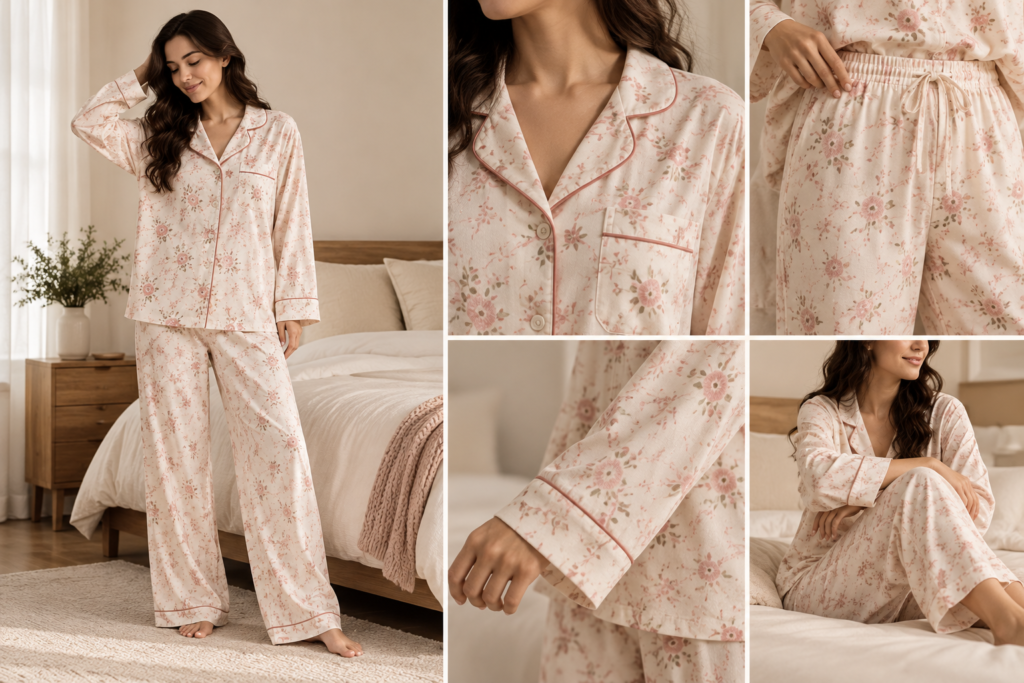
Choose relaxed fit if you:
- Dislike tight waistbands or narrow trouser legs.
- Prefer extra room around your hips and thighs.
- Want pajamas that feel loose when sitting or stretching.
- Enjoy a traditional, oversized sleepwear silhouette.
However, relaxed doesn’t mean excessively large. A pajama shirt with shoulder seams far below your shoulders or trousers that slide down repeatedly may be too big. Excess fabric can also twist around your body while you sleep.
Look for a roomy cut that still keeps the waistband secure and the sleeves and trouser legs manageable.
Classic Fit: A Balanced Everyday Option
Classic-fit pajamas provide enough room for movement without creating a noticeably oversized silhouette. The top usually sits comfortably across the shoulders and chest, while the trousers follow a relatively straight shape through the hips and legs.
This fit is a practical starting point if you aren’t sure which style you prefer. It offers more room than a slim cut but less excess fabric than a relaxed design.
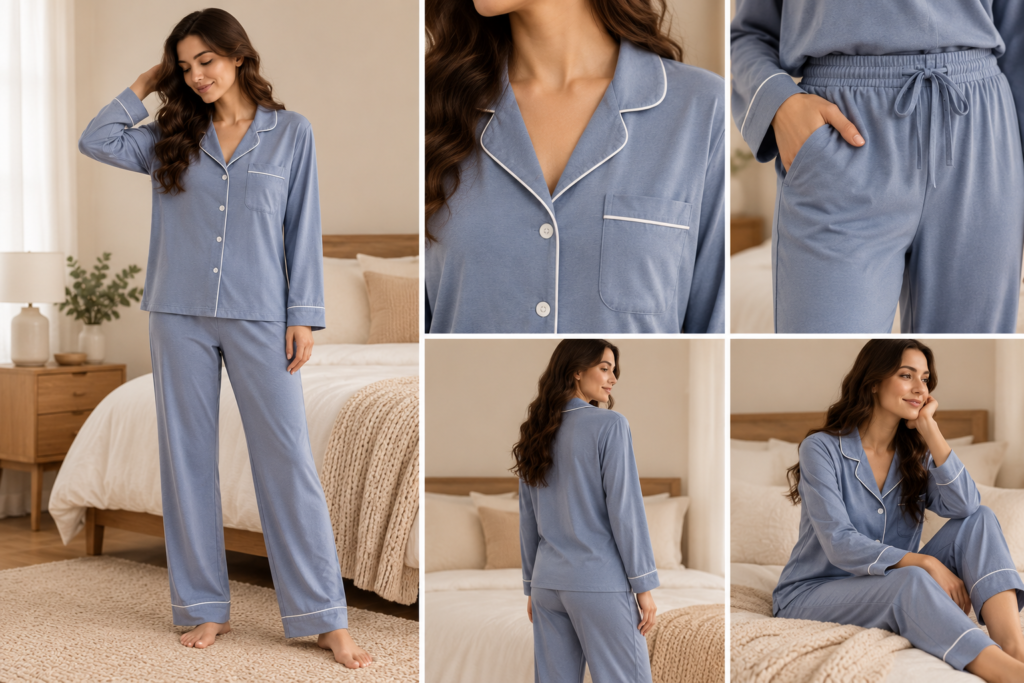
Choose classic fit if you:
- Want pajamas that feel comfortable without looking oversized.
- Prefer a straightforward, traditional silhouette.
- Need sleepwear for both bedtime and relaxed mornings at home.
- Don’t want to choose between a very loose and a close-fitting style.
Classic fit is especially useful when shopping for a coordinated pajama set. A balanced cut can make the shirt and trousers look cohesive without requiring either piece to fit tightly.
Still, check the individual garment measurements. A classic-fit top may suit your shoulders while the matching trousers feel too narrow at the hips. Matching sets don’t always fit every body proportion in the same way.
Slim Fit: A Neater Silhouette
Slim-fit pajamas sit closer to the body and often feature narrower sleeves, a more shaped torso, and tapered trouser legs. They create a cleaner outline without the extra fabric found in relaxed styles.
Slim fit doesn’t automatically mean tight. A well-fitting pair should allow you to bend your knees, raise your arms, sit down, and turn over without the fabric pulling uncomfortably.
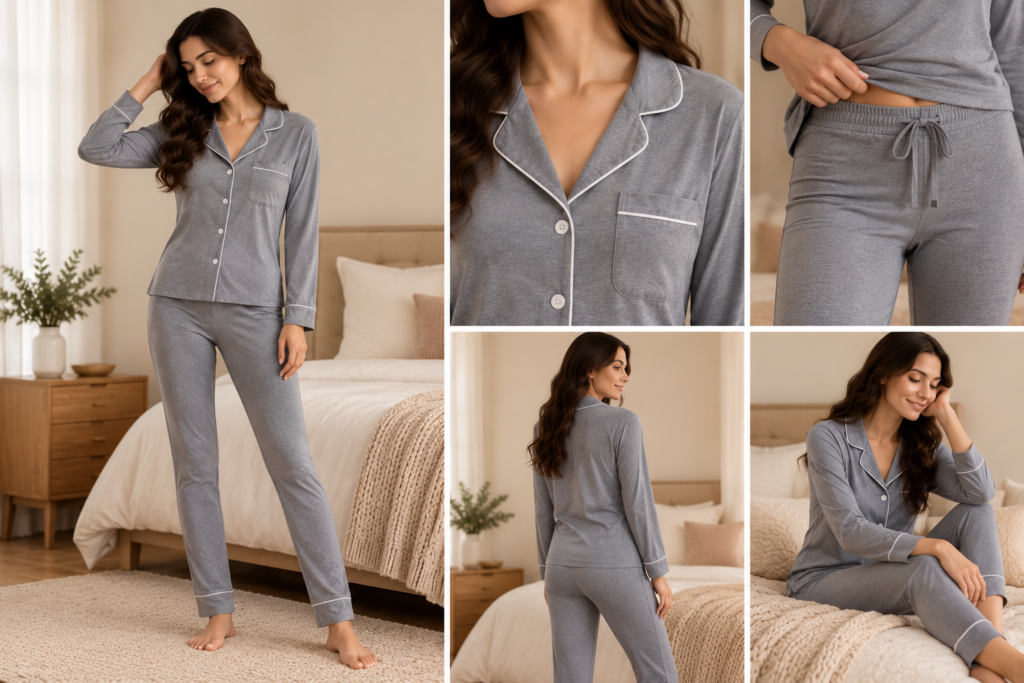
Choose slim fit if you:
- Prefer a more tailored appearance.
- Dislike excess fabric around your ankles or wrists.
- Want pajama trousers with a narrower leg.
- Like lightweight or stretchy sleepwear that follows your shape.
Pay particular attention to the chest, hips, thighs, and rise when choosing slim-fit pajamas. A narrow cut can feel restrictive if the garment lacks enough room or stretch in those areas.
If the waistband digs into your skin, the seat pulls when you sit, or the fabric becomes taut when you bend, try a different size or cut.
How Should Pajamas Fit?
A good pajama fit should feel comfortable in more than one position. Standing in front of a mirror can help you assess the silhouette, but it won’t tell you everything about how the garment behaves in bed.
Check each part of the outfit separately.
Pajama Shirt or Top
The top should sit comfortably across your shoulders and chest without pulling at the buttons, neckline, or armholes.
Use these checks:
- Shoulders: The seams should sit close to the intended shoulder position for that style.
- Chest: You should be able to move your arms without pulling the fabric tight.
- Sleeves: They shouldn’t restrict your elbows or bunch excessively around your wrists.
- Body length: The top should provide the coverage you want when you sit or lie down.
- Buttons and neckline: The front shouldn’t gape noticeably or pull when you move.
For a relaxed fit, some extra room through the body is expected. For a slim fit, the top may follow your shape more closely, but the fabric shouldn’t feel strained.
Pajama Trousers
Pajama trousers need enough room for your hips, thighs, and knees. Their waistband should stay in place without digging into your skin.
Check the following details:
- Waistband: It should feel secure without leaving uncomfortable pressure marks.
- Rise: The trousers should provide enough room when you sit, bend, and lie down.
- Hips and thighs: The fabric shouldn’t pull across your body during movement.
- Leg length: The hem should not create a tripping hazard or bunch excessively around your feet.
- Cuffs: If the trousers have elastic cuffs, make sure they don’t feel restrictive.
A slim-fit trouser can have a tapered leg while still offering enough room around the hips. Likewise, relaxed trousers should not be so large that the waistband repeatedly slips down.
Waistband and Drawstring
A drawstring can help you adjust the fit, but it shouldn’t compensate for trousers that are fundamentally too large or too small.
Tie the drawstring comfortably and move through a few ordinary positions. If you need to tighten it excessively to keep the trousers up, consider a smaller size or a different cut. If the waistband feels restrictive even when loosened, you may need more room.
Fabric and Stretch
Fabric changes how a pajama set feels, even when two garments share the same size and fit label.
Woven cotton often has less natural stretch than jersey knit. Stretch fabrics may accommodate movement more easily, while heavier fabrics can feel bulkier around the body.
Consider both the fit and the material. A slim-fit jersey set may feel more flexible than a slim-fit woven set, but neither should restrict normal movement.
For a deeper look at how material affects comfort, read our guide to sleepwear fabrics.
How to Measure Yourself for the Right Pajama Fit
Your usual clothing size provides a starting point, but measurements can help you choose between relaxed, classic, and slim fits more accurately. This is particularly useful when shopping online or buying from a brand you haven’t tried before.
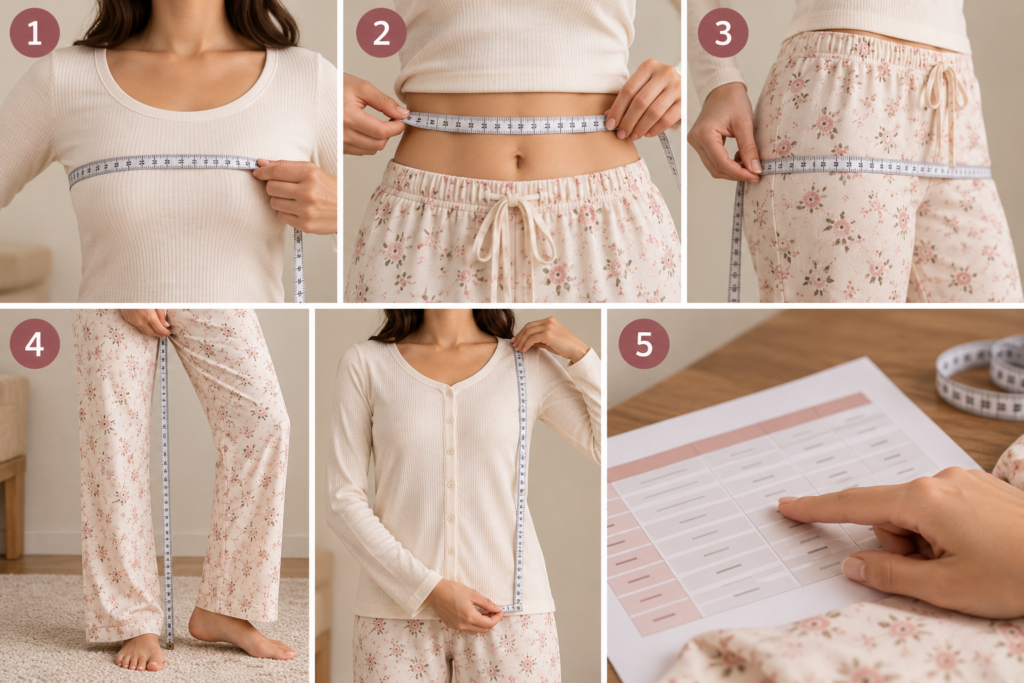
1. Measure Your Chest
Wrap a measuring tape around the fullest part of your chest, keeping it level and comfortably snug. Avoid pulling it tight enough to compress your body.
Compare the result with the brand’s size chart. If your chest measurement falls between sizes, consider the garment’s cut, fabric, and your preferred amount of room.
2. Measure Your Waist
Measure around the area where the pajama waistband will sit. Don’t assume this will always be the narrowest part of your waist.
For elastic-waist trousers, check whether the manufacturer provides body measurements or actual garment measurements. The two figures serve different purposes.
3. Measure Your Hips
Wrap the tape around the fullest part of your hips and seat. Keep it level so the measurement reflects your actual proportions.
This measurement matters for pajama trousers and shorts. If your hips fall into a larger size category than your waist, look for a cut that accommodates your hips without making the waistband too loose.
4. Check the Inseam and Garment Length
The inseam measures the inside length of the trouser leg. It can help you determine whether the trousers will sit at the ankle, fall over the foot, or feel too short.
For pajama tops, compare the listed garment length with a top you already find comfortable.
5. Compare Your Measurements with the Size Chart
Once you have your measurements, compare them with the brand’s chart. Don’t automatically size up or down just because you want a relaxed or slim fit.
A relaxed-fit design already includes extra room. A slim-fit design uses a closer cut. Choosing a size based on the garment’s intended fit and actual measurements will usually provide a better starting point than changing sizes without checking the chart.
For more detailed measuring advice, read our guide to how to measure yourself for a nightgown. The same measurement habits can help when shopping for other types of night wear.
Which Pajama Fit Is Best for Different Sleep Habits?
Your sleeping habits can help you decide how much room you want in your pajamas. Consider how your clothing behaves when you change positions rather than choosing a fit based on appearance alone.
If You Move Around a Lot While Sleeping
Try classic or relaxed fit, depending on how much room you prefer. Extra space around the hips and thighs can help reduce the feeling of fabric pulling as you turn.
Check the waistband and leg openings, too. Pajamas that twist around your legs or slide down may need a different cut or size.
If You Dislike Loose Fabric
Slim fit may suit you better, particularly if excess material gathers around your knees or ankles. Choose a fabric with enough flexibility for your usual sleeping positions.
Avoid sizing down simply to achieve a close silhouette. The garment should still allow you to bend, stretch, and lie comfortably.
If You Sleep in a Warm Room
Consider lightweight fabrics and a cut that feels comfortable against your skin. A relaxed fit may allow more space between the garment and your body, but fabric weight, construction, and room temperature also affect comfort.
Slim-fit pajamas made from lightweight material can work well for some people, too. Fit alone doesn’t determine whether a garment feels warm.
If You Prefer a More Polished Look
Classic or slim fit can create a neater silhouette, especially in coordinated pajama sets. Look for balanced proportions across the shirt and trousers rather than choosing a cut that’s tight in one area.
If you regularly wear your pajamas while relaxing at home, you may also want to compare their fit with casual lounge clothing. Our guide to pajamas vs. loungewear explains how these categories overlap and where their intended uses differ.
Common Pajama Fit Problems and How to Fix Them
A pajama set doesn’t have to fit perfectly in every measurement, but persistent pulling, slipping, or bunching can make it less comfortable. Identify where the problem occurs before deciding whether to change size or style.
| Fit problem | Possible cause | What to try |
|---|---|---|
| Buttons pull across the chest | Top is too narrow | Compare chest measurements or try a roomier cut |
| Waistband digs in | Waistband is too tight or restrictive | Check the waist measurement and elastic construction |
| Trousers slide down | Waistband is too large or poorly adjusted | Check the size chart and drawstring |
| Fabric pulls across the hips | Not enough hip or seat room | Try a different cut or a size that accommodates your hips |
| Trouser legs twist during sleep | Cut or fabric may not suit your movement | Try a different leg shape or fabric |
| Sleeves feel restrictive | Insufficient room around the arms | Check upper-arm measurements and sleeve construction |
| Too much fabric gathers at the ankles | Trousers may be too long or too wide | Compare inseam and leg shape |
Don’t assume every problem requires a larger size. If the trousers fit your hips but feel too loose at the waist, a different cut may work better than sizing up or down across the entire set.
Pajamas vs. Other Night Wear: Does Fit Change?
Pajamas aren’t the only garments you might wear to bed or while relaxing at home. Nightgowns, nightshirts, nighties, and lingerie each have different shapes, and those shapes change what a comfortable fit looks like.
Pajamas vs. Nightshirts
Pajamas usually refer to a sleepwear set, often with a separate top and bottom. A night shirt is a shirt-style sleep garment worn as a single piece.
A nightshirt should provide enough room around the shoulders, chest, and hips without feeling excessively large. Its length also matters: it should offer the coverage you want without interfering with movement.
Pajamas vs. Nightgowns
A nightgown is a one-piece sleep garment that may be short, knee-length, or long. Unlike pajama trousers, it doesn’t have a separate waistband or leg fit to consider.
Instead, focus on the chest, shoulders, armholes, overall length, and how the garment falls around your body. A nightgown should provide enough room to move without pulling at the bust or restricting your arms.
If you’re considering a flowing sleep dress, explore our guide to the best satin nightgowns under $50.
Pajamas vs. Nighties
A nightie is generally a lightweight nightdress-style garment. Depending on the design, it may resemble a short slip, a loose camisole dress, or a longer sleep garment.
Because nighties come in different shapes and fabrics, their fit can vary considerably. Some are loose and flowing, while others follow the body more closely.
Pajamas vs. Lingerie and Daily Intimates
Lingerie includes garments such as bras, panties, bodysuits, and babydolls. Daily intimates generally refer to foundational undergarments worn close to the body.
The fit requirements differ from those of pajamas. A bra needs appropriate support and a comfortable band, while a panty should sit securely without digging into the skin. A lingerie bodysuit may follow the body closely, whereas pajamas usually prioritize ease of movement and comfort during sleep.
A nightie or nightgown may also provide an alternative to a two-piece pajama set if you prefer a single garment.
At Nightie Wear, we explore these categories to help readers understand how intimate garments differ in purpose, construction, and fit. Learn more about the platform on our Nightie Wear introduction page.
Choose a Pajama Fit That Works for You
Relaxed, classic, and slim fits offer different ways to balance comfort and appearance. Relaxed pajamas provide extra room, classic pajamas offer a versatile middle ground, and slim pajamas create a closer silhouette.
Start by measuring yourself, checking the garment’s size chart, and considering how you move while sleeping. Then look at the fabric, waistband, trouser length, and shirt construction to make sure the set suits your needs.
The right fit isn’t necessarily the loosest or the most tailored. It’s the one that lets you rest comfortably without constant pulling, slipping, or adjusting.
Explore more sleepwear and intimate-apparel advice at Nightie Wear, where you’ll find guides to fabrics, garment styles, and choosing night wear for your routine.
Frequently Asked Questions
What is the best pajama fit?
The best fit depends on your preferences and sleeping habits. Relaxed fit provides extra room, classic fit offers a balanced silhouette, and slim fit sits closer to the body. Choose the option that allows you to move comfortably without pulling, slipping, or excessive bunching.
Should pajamas be loose or fitted?
Pajamas should provide enough room for comfortable movement without feeling cumbersome. Loose pajamas suit people who prefer extra space, while fitted styles may work better for those who dislike excess fabric. Neither should restrict normal movement.
Should I size up for relaxed-fit pajamas?
Not automatically. Relaxed-fit pajamas already include extra room by design. Check the garment’s size chart and compare your measurements before sizing up, since a larger size may make the waistband, shoulders, or trouser length too loose.
Are slim-fit pajamas comfortable for sleeping?
They can be, provided the garment allows enough room around the chest, waist, hips, and thighs. Stretch, fabric weight, and construction also affect comfort. If the fabric pulls when you bend or lie down, consider a different size or cut.
How should pajama trousers fit at the waist?
The waistband should stay in place without digging into your skin. You should be able to sit and bend comfortably without needing to tighten the drawstring excessively or repeatedly pull the trousers up.
Is classic fit the same as regular fit?
Brands often use these terms in similar ways, but their definitions can vary. Both generally describe a balanced silhouette that isn’t as loose as a relaxed fit or as close to the body as a slim fit. Check each brand’s measurements and product description.
Do pajamas need to match my usual clothing size?
Not always. Sleepwear sizing can differ between brands, fabrics, and garment styles. Use the product’s size chart and your body measurements rather than relying only on your usual clothing size.
Leave a Reply