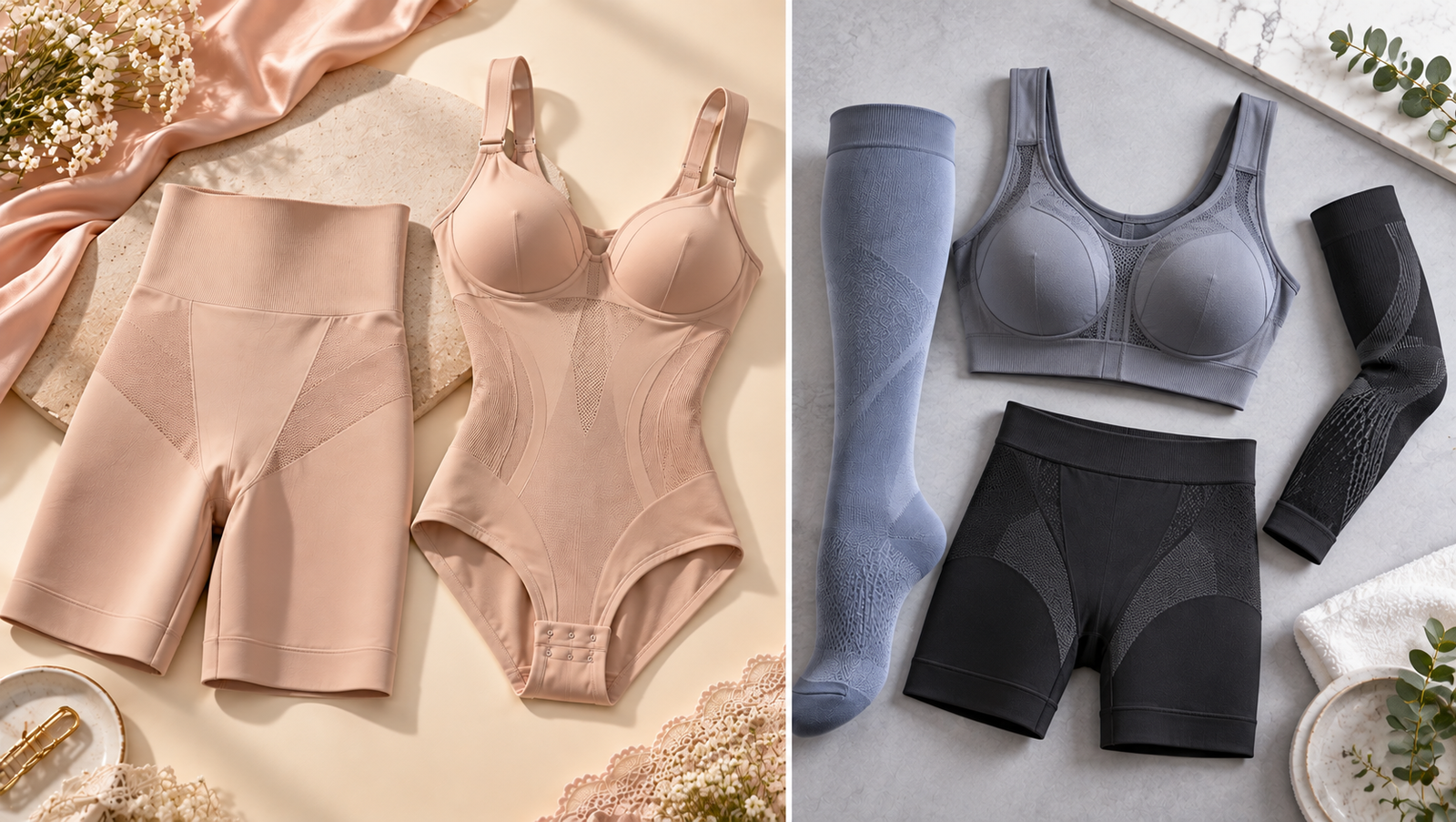
Shapewear and compression garments can look surprisingly similar.
Both use close-fitting, stretchy fabrics. Both apply pressure to parts of the body. And both can make clothing feel more supportive or structured.
But they aren’t designed for the same job.
Shapewear primarily focuses on smoothing, shaping, and creating a particular silhouette under clothing. Compression garments use controlled pressure for specific support or therapeutic purposes, depending on the garment and its compression level.
That difference matters when you’re deciding what to buy.
A pair of high-waisted shapewear shorts isn’t automatically a compression garment just because it feels tight. Likewise, a medical compression garment shouldn’t be treated as ordinary shapewear.
Shapewear vs Compression Garments: Quick Comparison
| Feature | Shapewear | Compression Garments |
|---|---|---|
| Main purpose | Smoothing and shaping | Support, pressure management, or therapeutic use depending on garment |
| Typical fit | Snug to firm | Designed around a specified compression level or construction |
| Main focus | Silhouette and appearance | Pressure and support |
| Common styles | Briefs, shorts, bodysuits, camisoles | Stockings, sleeves, socks, tights, specialized garments |
| Compression level | Usually not classified as medical compression | May be specified by pressure level |
| Everyday fashion use | Common | Depends on garment |
| Medical use | Not a substitute for prescribed compression | Some are specifically designed for medical use |
| Sizing | Based mainly on garment/body measurements | May require more specific measurement and fitting |
| Best starting point | Desired level of shaping | Intended purpose and appropriate compression level |
The biggest mistake is treating tightness and compression as the same thing.
They aren’t.
Also, read our guide on: Nightgown vs Nightie vs Nightshirt
What Is Shapewear?
Shapewear is close-fitting clothing designed to smooth, contour, or temporarily change the appearance of the body’s silhouette underneath clothing.
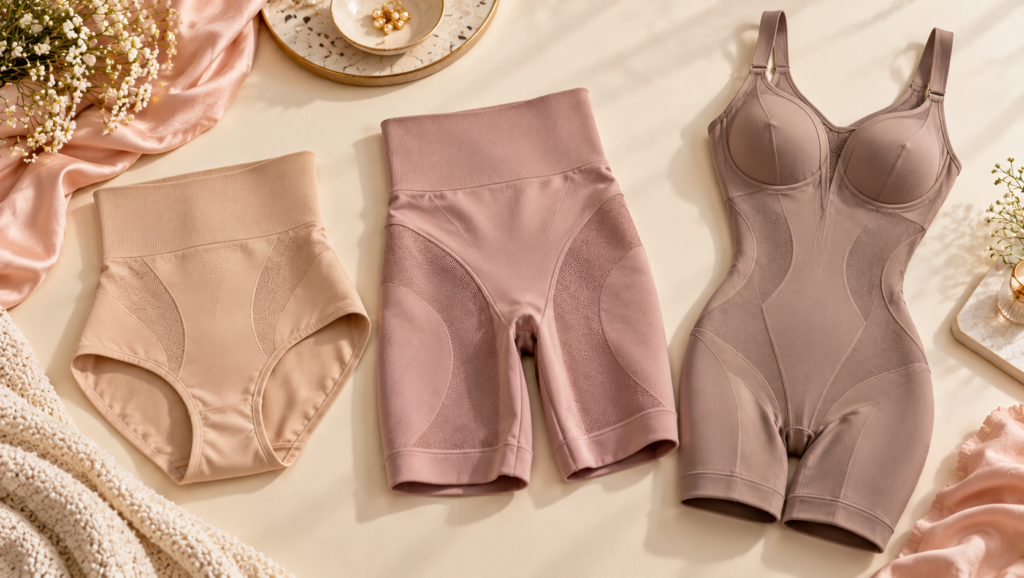
Common examples include:
- High-waisted shaping briefs
- Tummy-control underwear
- Shaping shorts
- Thigh shapers
- Bodysuits
- Waist-focused shaping garments
- Full-body shapewear
The goal usually involves appearance and fit.
For example, high-waisted shaping briefs can create a smoother transition between the waist, stomach, hips, and clothing worn over them.
A bodysuit can provide more continuous coverage across several areas.
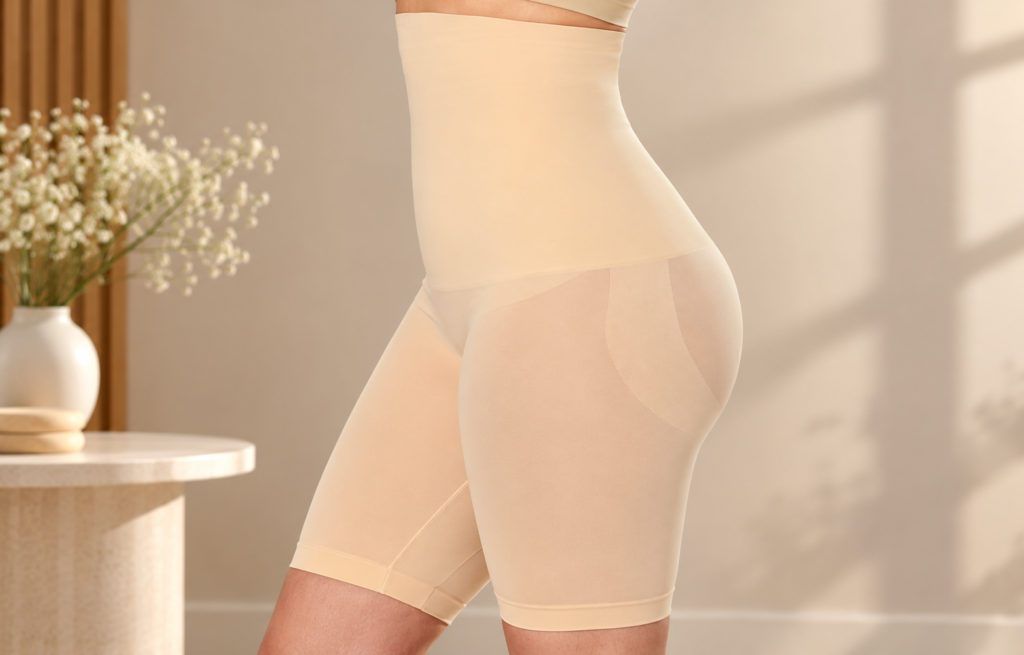
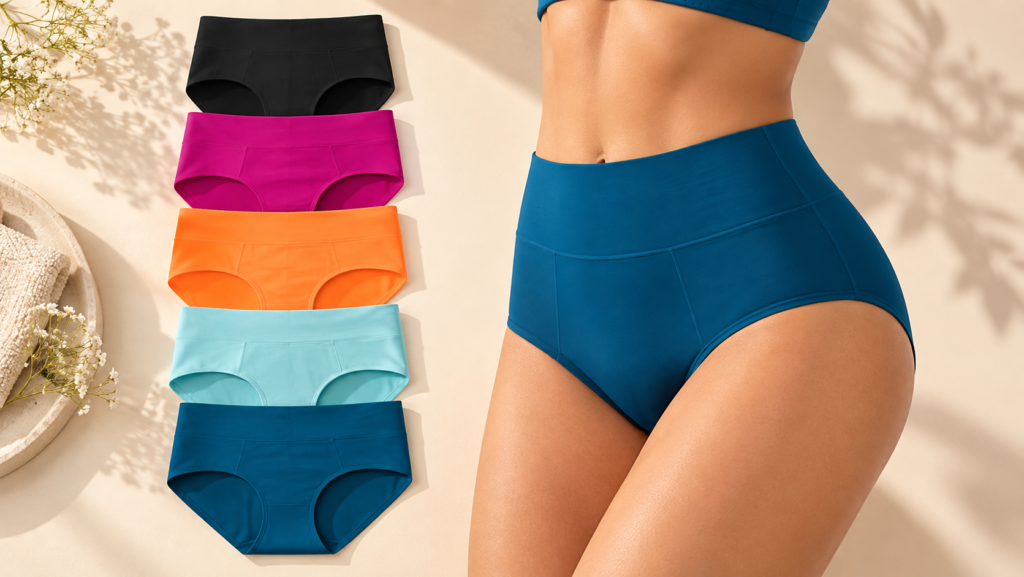
Product match (OVER 10,000 SALES in LAST MONTH): High-waisted tummy-control shorts with thigh coverage. This fits naturally in the section explaining everyday shapewear and targeted shaping.
Shapewear can feel quite firm, but firmness alone doesn’t make it medical compression.
What Are Compression Garments?
Compression garments are designed to apply pressure to the body in a controlled way.
The exact design depends on the type of garment and its purpose.
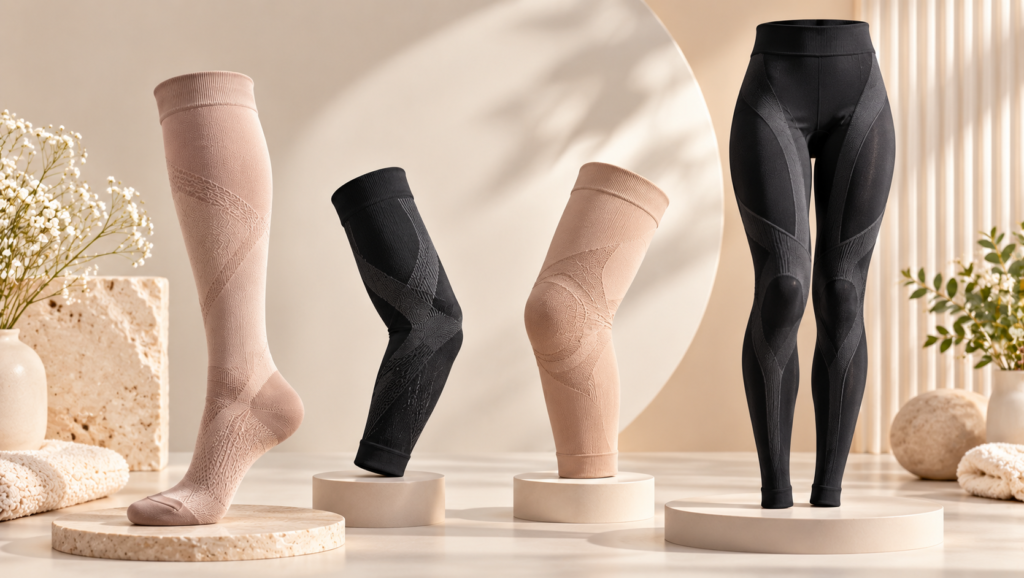
For example, graduated compression stockings apply the greatest pressure around the ankle and gradually reduce pressure higher up the leg. Healthcare providers may use compression garments as part of care for conditions involving swelling or venous circulation.
Other compression garments may support a particular body area during athletic activity, recovery, or after certain medical procedures.
The important point is that compression garments are defined by their pressure and intended function, not simply by how tight they feel.
Some medical compression products, such as compression underwear, use pressure levels measured in millimeters of mercury (mmHg), and the appropriate level can depend on the person’s needs.
Are Shapewear and Compression Garments the Same?
No.
They can overlap in construction, but their primary purposes differ.
A shapewear garment might compress the waist, stomach, hips, or thighs to create a smoother silhouette.
A medical compression garment may apply a specified amount of pressure to support circulation or manage swelling.
That means you shouldn’t assume that a very tight pair of shapewear shorts can replace a compression garment recommended by a healthcare professional.
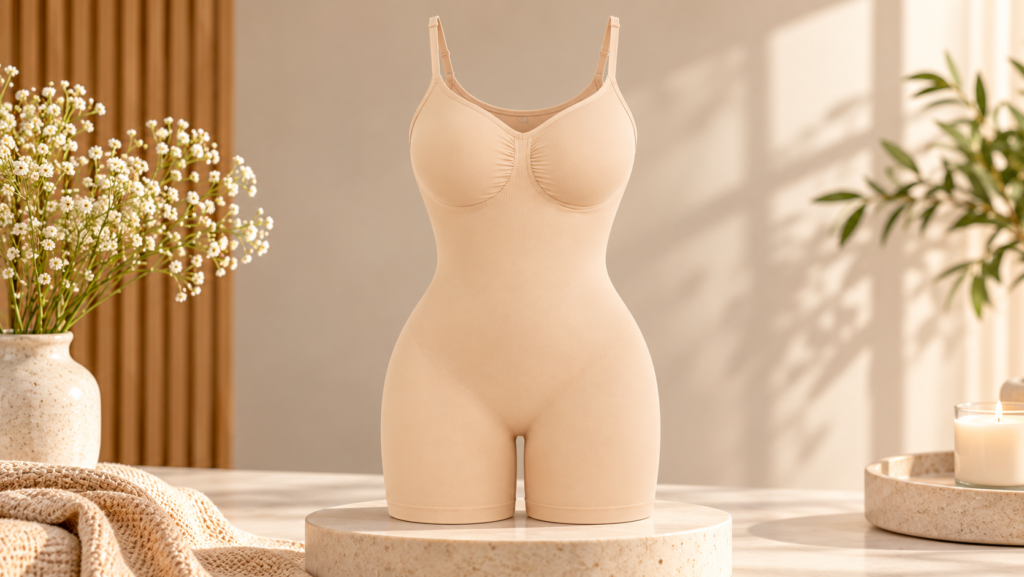
Product match: A full-coverage shapewear bodysuit with tummy control and mid-thigh coverage. Use this as an example of how shapewear can target multiple areas at once.
Shapewear vs Compression Garments: The Biggest Differences
1. Purpose
This is the clearest difference.
Shapewear is primarily about shaping and smoothing.
You might wear it under a dress to create a smoother appearance around the stomach, waist, hips, or thighs.
Compression garments use pressure for a specific support function.
For medical compression, that function can include helping manage swelling or supporting venous circulation. Compression stockings, for example, use graduated pressure to help move blood back toward the heart.
The garment’s purpose should therefore come before its appearance.
2. Pressure
Not all pressure works in the same way.
A shapewear garment can feel tight because its fabric stretches around the body and creates tension.
Medical compression garments can use carefully specified pressure and, in some cases, a deliberate pressure gradient.
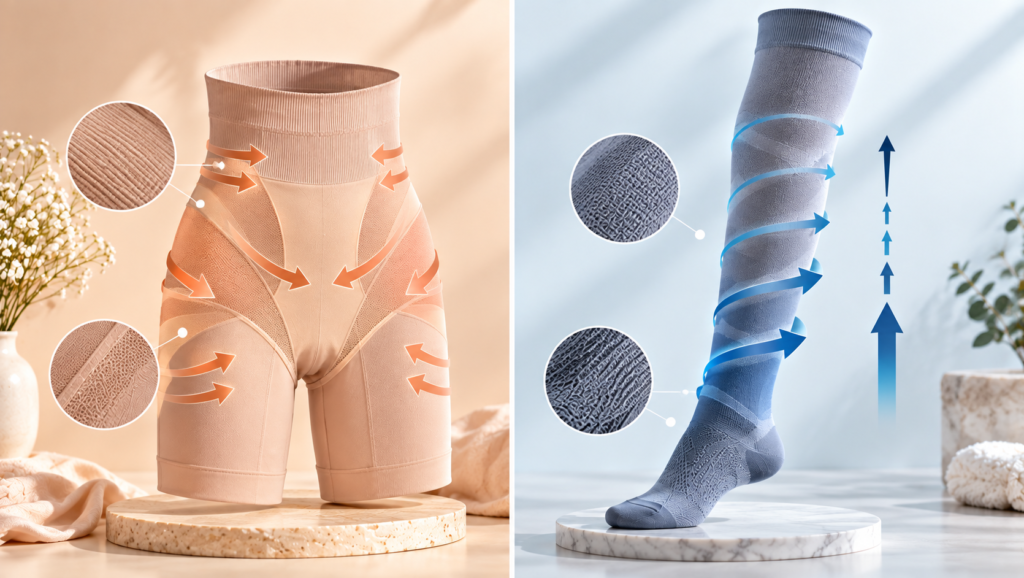
For example, graduated compression stockings are tighter at the ankle and become less compressive farther up the leg.
So:
Tight does not automatically mean therapeutic.
That’s one of the most important things to remember when shopping.
3. Fit and Sizing
Shapewear sizing often focuses on creating a close, smoothing fit.
That doesn’t mean you should size down.
Wearing shapewear that’s too small can increase discomfort and pressure. Mayo Clinic notes that overly tight shapewear can contribute to problems such as thigh numbness or pain, reflux, skin irritation, and other discomforts.
Compression garments require even more attention to sizing when they serve a medical purpose.
Healthcare providers may recommend a particular pressure level and measurement rather than simply telling you to choose the tightest garment available. Cleveland Clinic specifically advises people using compression clothing for a medical concern to get appropriately measured and to discuss the pressure level with a healthcare provider.
4. Areas of the Body
Shapewear commonly focuses on areas that affect how clothing sits.
You might find:
- Tummy-control briefs
- High-waisted panties
- Thigh-shaping shorts
- Bodysuits
- Waist shapers
Compression garments can target many different areas depending on their purpose.
Examples include:
- Compression socks
- Compression stockings
- Compression sleeves
- Compression tights
- Specialized post-surgical garments
Some compression garments cover large areas of the body, while others focus on one limb or body part.
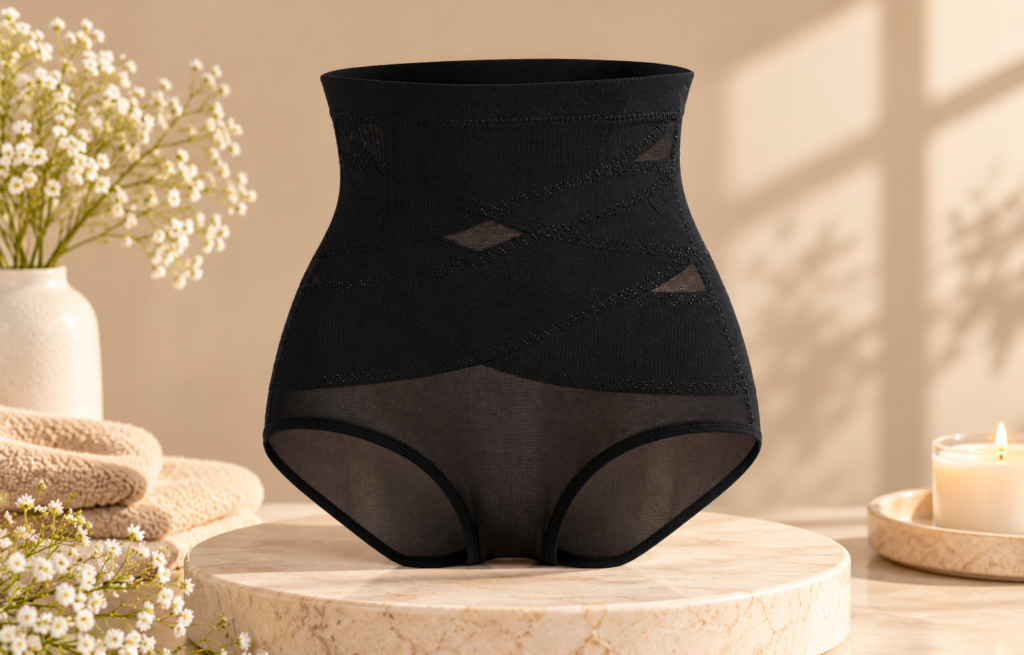
Product match: High-waisted tummy-control briefs. This works well in the section about targeted shapewear that combines everyday underwear with light shaping.
Different Types of Shapewear
Shapewear isn’t one specific garment.
Its level of coverage and shaping can vary considerably.
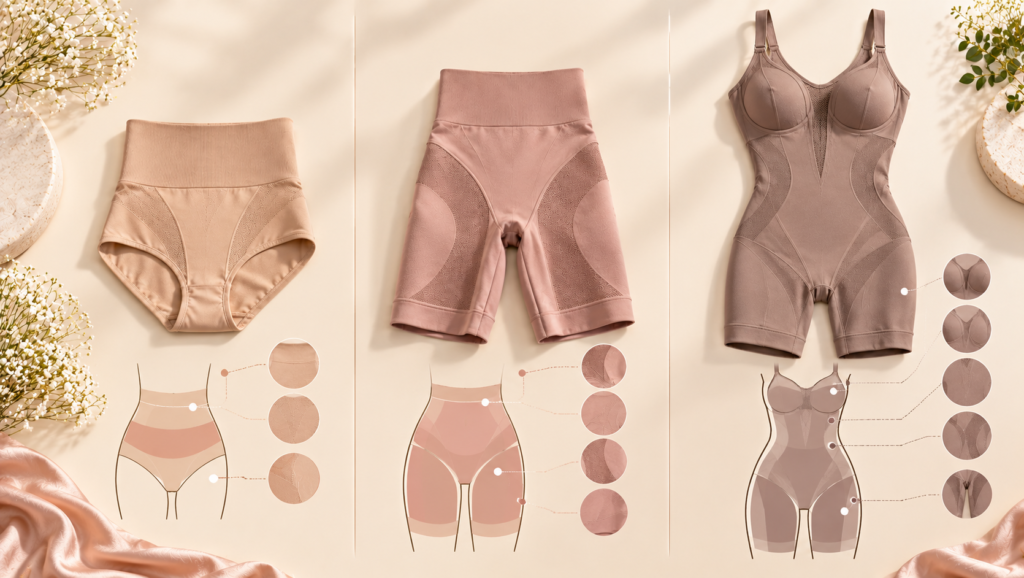
Shaping Briefs
Shaping briefs look similar to regular underwear but use a more structured or compressive fabric around the stomach and waist.
They’re useful when you want targeted smoothing without wearing a larger garment.
High-Waisted Shapewear
High-waisted designs extend higher on the torso and can smooth the stomach, waist, and lower back area.
They’re often worn underneath dresses, skirts, trousers, and other fitted clothing.
Shaping Shorts
Shaping shorts extend down the thighs.
They can help create a smoother line beneath dresses and skirts while also reducing the amount of direct contact between the thighs.
Shapewear Bodysuits
Bodysuits combine several shaping zones into one garment.
Depending on the design, they can cover the torso, stomach, hips, buttocks, and thighs.
Different Types of Compression Garments
Compression garments vary according to their intended use.
Compression Socks
Compression socks typically cover the foot and lower leg.
Graduated versions apply more pressure around the ankle and less farther up the leg. They’re commonly used for circulation-related support and management of swelling in appropriate situations.
Compression Stockings
Compression stockings can extend to the knee or thigh.
The appropriate type depends on why the garment is being used.
Compression Sleeves
Sleeves can provide compression to areas such as the arms or legs without covering the hands or feet.
Compression Tights and Leggings
Some compression tights and leggings provide pressure across larger areas.
However, athletic compression clothing and medical compression garments shouldn’t automatically be treated as interchangeable.
If you’re buying compression clothing for a medical reason, focus on the specifications and guidance relevant to that purpose.
Is Shapewear a Type of Compression Garment?
Not automatically.
The word “compression” gets used broadly in clothing descriptions, which can create confusion.
A shapewear brand may describe a garment as compressive because it holds the body firmly.
That doesn’t necessarily mean it has a specified medical compression level or that it performs the same function as a medical compression garment.
For medical compression, pressure level, garment design, fit, and intended use all matter.
That’s why a product listing that simply says “compression” isn’t enough to establish that a garment is medically appropriate.
Can You Wear Shapewear Every Day?
You can wear properly fitted shapewear as part of everyday clothing, but comfort should guide how long you keep it on.
Mayo Clinic recommends choosing the correct size and avoiding excessive restriction. Wearing shapewear that’s too tight or for too long can contribute to discomfort, reflux, nerve-related symptoms, and skin irritation.
Pay attention to warning signs such as:
- Numbness
- Tingling
- Burning
- Pain
- Skin irritation
- Difficulty breathing comfortably
- Significant pressure around the abdomen
- Persistent discomfort
If a garment causes these problems, take it off rather than trying to tolerate the sensation.
You might want to take a look at what is better for sleep: Nightgown vs Pajama Set – Which is better for sleep?
Can You Sleep in Shapewear?
Shapewear isn’t generally designed as sleepwear.
Its close fit can make it uncomfortable during extended wear, particularly if the garment is too tight.
There’s also little reason to wear a shaping garment to bed simply for its contouring effect.
If you’re choosing something for sleep, prioritize loose, comfortable sleepwear that doesn’t restrict movement or create unnecessary pressure.
Can Compression Garments Replace Shapewear?
Not necessarily.
A compression garment may provide support or pressure for a specific purpose, but that doesn’t mean it will create the silhouette you’re looking for under clothing.
Likewise, shapewear may smooth your figure but isn’t a substitute for medically indicated compression.
Think about the objective first:
Want to change how clothing sits on your body? Look at shapewear.
Need a garment for a specific medical or therapeutic purpose? Follow the relevant healthcare guidance and look for the appropriate compression garment.
Can Shapewear Improve Circulation?
Don’t buy shapewear specifically because you expect it to provide the same circulation benefits as medical compression.
Medical compression garments are designed around controlled pressure and specific applications. Graduated compression, for example, is designed to support venous blood flow by applying greater pressure lower on the leg and reducing pressure higher up.
Ordinary tummy-control underwear doesn’t automatically provide that same pressure pattern.
Can Compression Garments Shape Your Body?
They can change how the body looks while you’re wearing them, particularly when they fit closely.
But that’s different from the primary purpose of medical compression.
A compression garment can create a smoother appearance simply because it holds tissue firmly against the body.
That doesn’t turn it into shapewear.
The distinction comes down to why the garment was designed, how it applies pressure, and what the manufacturer specifies it is intended to do.
What About Post-Surgery Compression Garments?
This is an area where the distinction becomes especially important.
Some procedures involve specialized compression garments during recovery. For example, Mayo Clinic notes that people may need to wear tight garments after liposuction to help reduce swelling.
Those garments shouldn’t be treated like ordinary fashion shapewear.
If a surgeon or healthcare provider recommends a particular compression garment after a procedure, follow their instructions about the garment, fit, pressure, and duration of wear.
Don’t substitute an ordinary shaping brief simply because it feels similarly tight.
How to Choose Shapewear
If your goal is smoothing or shaping, start with the area you want the garment to cover.
For the stomach
Look for:
- High-waisted construction
- Comfortable abdominal coverage
- A waistband that stays in place
- Enough stretch for normal movement
For the thighs
Look for:
- Longer shaping shorts
- A smooth leg opening
- Enough room for movement
- Fabric that doesn’t roll excessively
For the whole torso
Look for:
- Bodysuits
- Longer shaping garments
- Multiple shaping zones
- Comfortable shoulder and leg openings
And always check the manufacturer’s size chart.
Don’t deliberately choose a smaller size to get stronger shaping.
How to Choose a Compression Garment
Start with the reason you need compression.
If it’s for a medical concern, speak with your healthcare provider about the appropriate garment and compression level.
Compression products can have different pressure levels and designs. Some are measured in mmHg, while others may use different classification systems depending on the market and garment.
For medically indicated compression, consider:
- Intended use
- Compression level
- Body measurements
- Garment length
- Correct fit
- Application instructions
- Manufacturer specifications
- Healthcare-provider recommendations
Don’t simply choose the tightest option.
Shapewear vs Compression Garments: Which Should You Buy?
Start with your goal.
| If you want to… | Look for… |
|---|---|
| Smooth your stomach under clothing | Tummy-control shapewear |
| Smooth your thighs | Shaping shorts |
| Create an all-over smoother silhouette | Shapewear bodysuit |
| Wear shaping underwear every day | High-waisted shaping briefs |
| Manage swelling with medical guidance | Appropriate compression garment |
| Support circulation in the legs when medically indicated | Properly fitted compression stockings or socks |
| Recover after a procedure | The compression garment recommended by your healthcare provider |
| Get performance-focused athletic support | Purpose-designed athletic compression wear |
Shapewear vs Compression Garments: Don’t Shop by Tightness Alone
The biggest takeaway is simple:
Shapewear and compression garments can both feel tight, but tightness alone doesn’t tell you what a garment does.
Shapewear primarily helps create a smoother silhouette. Compression garments apply pressure for a defined support, performance, recovery, or medical purpose depending on the product.
That distinction becomes particularly important when you’re considering compression for a health-related reason.
If you need medical compression, look beyond words such as “firm,” “tummy control,” or “slimming.” Check the garment’s intended use, pressure specifications, sizing requirements, and professional guidance where appropriate.
If you simply want clothing to sit more smoothly over your waist, hips, or thighs, shapewear is the category designed for that job.
The right garment starts with the right purpose.
Let us know how you feel about Nightie Wear Blogs. Feel Free to Reach Out to us – Contact Us.
Shapewear Shopping Checklist
Before buying shapewear, check:
- Purpose: Which area do you want to smooth?
- Coverage: Do you need briefs, shorts, or a bodysuit?
- Size: Does the manufacturer’s chart put you in the correct size?
- Fabric: Will it feel comfortable against your skin?
- Waistband: Does it stay in place without digging in?
- Leg openings: Do they roll or pinch?
- Movement: Can you sit, walk, bend, and use the bathroom comfortably?
- Wear time: Is the garment comfortable enough for the occasion?
For compression garments, add another set of questions:
- What is the garment designed to do?
- Does it specify a compression level?
- Is the pressure appropriate for your intended use?
- Do you need professional fitting or advice?
- Does the product have clear sizing instructions?
Shapewear should shape. Compression garments should provide the type of pressure their design calls for. Don’t confuse the two simply because they look or feel similar.
Frequently Asked Questions
Is shapewear the same as a compression garment?
No. Shapewear primarily smooths and shapes the body’s appearance, while compression garments apply controlled pressure for specific support, recovery, athletic, or medical purposes.
Can shapewear improve circulation?
Ordinary shapewear should not be treated as a medical compression garment. Medical compression products use specific pressure levels and designs for circulation-related purposes.
Is compression shapewear the same as medical compression?
No. A garment marketed as “compressive” or “firm” does not automatically provide medical-grade compression. Check the product’s intended use, pressure specifications, and fitting requirements.
Can you wear shapewear every day?
You can wear properly fitted shapewear regularly if it remains comfortable. Avoid garments that cause pain, numbness, tingling, breathing discomfort, or significant skin irritation.
Can you sleep in shapewear?
Shapewear is generally designed for shaping under clothing rather than sleeping. For overnight wear, choose comfortable sleepwear that doesn’t create unnecessary pressure or restrict movement.
How tight should shapewear be?
Shapewear should feel supportive without causing pain, numbness, tingling, breathing difficulty, or restricted movement. Choosing a smaller size does not necessarily provide better shaping.
How do I choose the right compression garment?
Choose based on its intended purpose, compression level, measurements, and manufacturer guidance. If you need compression for a medical condition or recovery, follow your healthcare provider’s recommendations.
Can shapewear replace compression stockings?
No. Regular shapewear does not automatically provide the graduated pressure used by many medical compression stockings. Use the compression product recommended for your specific purpose.
What does mmHg mean in compression garments?
mmHg stands for millimeters of mercury and is commonly used to describe the pressure level of compression products. The appropriate pressure depends on the garment and its intended use.
Does tighter shapewear give better results?
Not necessarily. Excessive tightness can cause discomfort and may lead to problems such as skin irritation or numbness. Proper sizing provides a better balance between shaping and comfort.
Leave a Reply